
Speaker Coaching
Become a Better Public Speaker and tell your story better with Speaker Coaching from a 6x TEDMED Speaker Coach.
I have been helping people sell themselves and their organisations and tell their stories better for over three decades. Every client works through my proven MessageCraft® process which is designed to minimise or neutralise your negatives and maximise your positives.
Be confident, change behaviour and trigger action with Speaker Coaching. But, what is Speaker Coaching?
What is Speaker Coaching?
Speaker Coaching is the StageCraft of a speech - the paper-free delivery, the timing, the pauses, the body language.
Distilling and delivering the key messages and identifying what to emphasise and what to leave out. The handling and identification of questions. Transforming speakers from good to great. This is intense 1-2-1 training preparing focused and motivated individuals for high-value/high-risk events.
This ranges from being a Speaker Coach at TEDMED (the health and science arm of the TED family) to working 1-2-1 remotely or in person with people from organisations around the world.
These are often career changing events that could include TED, TEDMED, or TEDx speeches, Investment Pitches, AGM speeches, End of Year or Mid Year internal communications session, appearances in front of a Select Committee, a Senate Hearing, a UNGASS (United Nations General Assembly Special Session), Interviews, Partner Panels or a commencement speech at your alma mater.
I have been helping people tell their stories and present better on stage for over three decades years. Every client works through my proven 10 Step MessageCraft® process which helps to minimise or completely neutralise your negatives and maximises your positives.
Is a Speaker Coach a new thing?
Coaches should be used and heard through their clients's voices, but never seen. The work of a speaker coach should be heard, but the speaker coach should be invisible. While the speaker coach remains silent, the speaker coach's client should display an effortless eloquence.
A speaker coach and a speechwriter should never become the story.
I work with business leaders and politicians in a way similar to the coach portrayed in The King's Speech? I help people find and use their voice. The King had a speaker coach - why not you?
Improve Your Public Speaking
Speaker coaching is about more than becoming a good public speaker, it’s about helping you sell yourself, your ideas and your story. It’s about using the words in your speech to get what you want.
Speaker Coaching with MessageCraft®: helped a Prime Minister with his speech to the United Nations a client win a $400 Million contact an investment bank win a £200 Million pitch ...and over 175 aspiring politicians candidates get selected and then elected to Parliament.
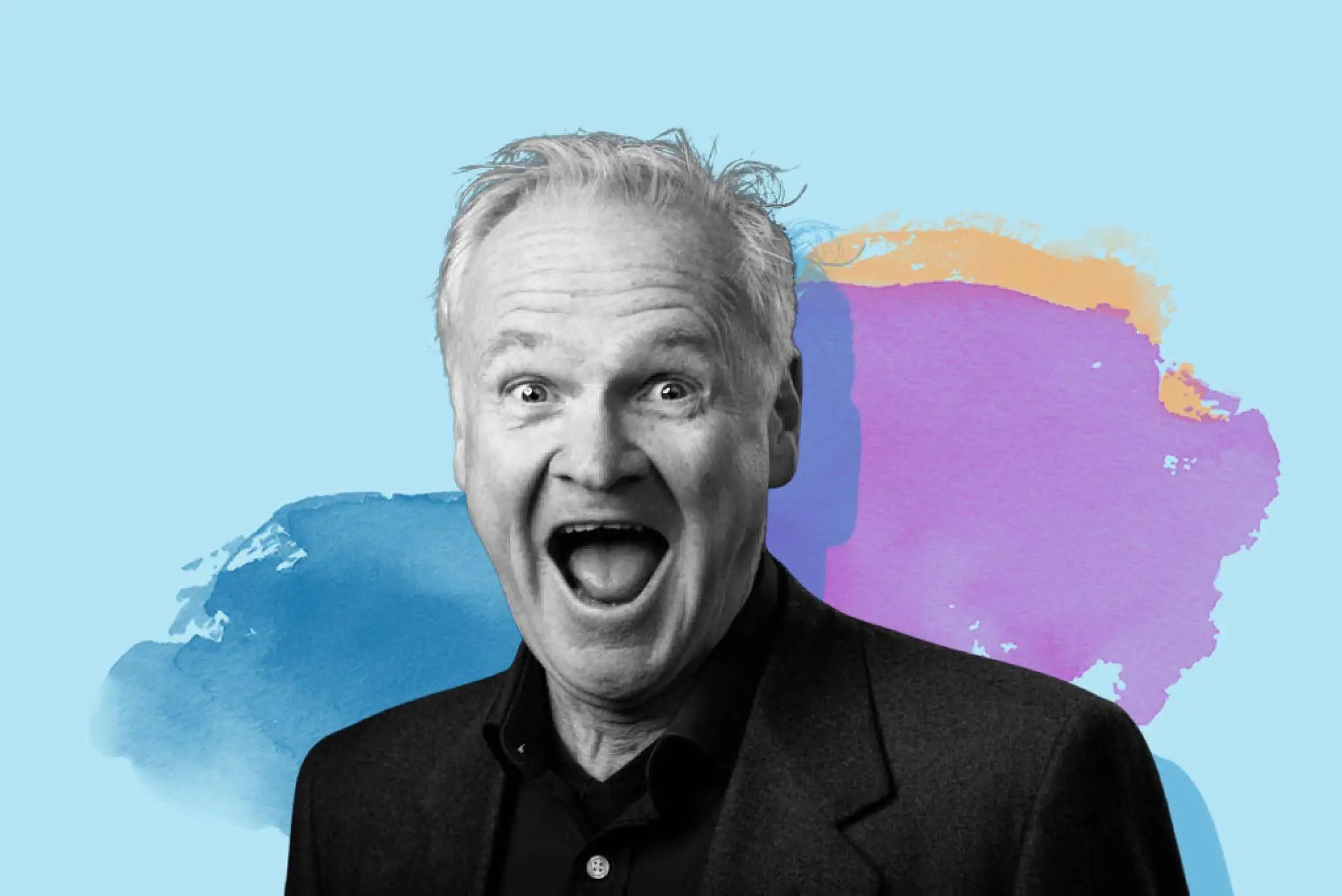


Marcus Webb
Chief Storytelling Officer

"Peter is one of the best practitioners of “tough love” I’ve ever seen. He’s direct and uncompromising. He “gives it to you with the bark off,” as they say – but you’ll love every minute of working with him."

Rainer Hettinger
Siemens Nixdorf
"Thanks a million Peter – or should I say $400 million?" - after winning a large contract.
Angela Bowland
VP Strategy &
Marketing CSC
"An excellent coach for top level presentations. Great results, expert, high integrity.
Partner
Magic Circle Law Firm
“I was invited to join the partnership! Which of course I accepted! It was an incredible feeling, with a flood of relief and excitement....The partners who interviewed me said how strong my interview had been.”
Head of Public Affairs
FTSE 100 Company
"The interview. For THAT job. Investing in Peter’s coaching obviously worked because I was successful and am absolutely over the moon with my new role. He also guided me through the process of negotiating my salary up which saw an increase of over 35%."
General Counsel
U.K. National Regulatory Agency
“Very pleased to say that I have this afternoon been offered the job. Thanks for your help, it really was invaluable!”
Speaker Coaching Client Feedback
...the early rumblings of your own power as a speaker.
“I knew without question that I’d picked the right coach. He was doing just what I’d asked him to do… Peter’s seismic approach to speaker coaching can make you feel as if there’s earth moving under that once-stable place you were standing. You can view that as a danger, something outside your control, and run away from it. Or you can view it as the early rumblings of your own power as a speaker, and run toward it.”Denise Graveline, Deputy Associate Administrator for Communications, Education and Public Affairs-US Environmental Protection Agency, Washington PR Woman of the Year, White House Council on Women and fellow TEDMED SpeakerCoach - Washington, D.C.

Head of Public Affairs - FTSE 100 company
"I haven’t been spoken to with such refreshing honesty in 15 years. I probably haven’t learnt that much, that quickly in 15 years either."
CEO, a Lloyds insurer
A serial FTSE 100 and FTSE 250 Board member